

It feels like we finally hit a collective turning point where the obsession with looking “perfect” just… stopped. You know that look—the one where every single hair was cemented into place by a high-gloss pomade, and the fade was so sharp it looked like it was drawn on with a protractor? That’s largely in the rearview mirror now. If you walk into a barbershop today, the conversation isn’t just about “taking it short on the sides.” It’s about movement. It’s about how the hair looks when you haven’t touched it for six hours.
The vibe is what some are calling “The Great Softening.” We’re seeing a massive embrace of natural texture. Whether you’ve got pin-straight hair or tight coils, the goal isn’t to fight against what you’ve got. It’s about enhancing it. It’s a bit more relaxed, a bit more human, and it’s a lot less of a headache to manage once you find your rhythm. Interestingly, this “less is more” energy isn’t just stopping at the hairline. We’re seeing the same low-effort, high-impact philosophy show up in nail salons, where the trend of pairing just two complementary colors is currently beating out the complex, over-the-top nail art that used to rule our feeds.
Key Takeaways
- The current aesthetic marks a definitive move away from the rigid, high-shine grooming of previous years toward “lived-in” textures and softer transitions like the low taper and the modern shag.
- Personalization is now the priority, with styles like the textured crop and the “wolf cut” being tailored to individual hair health and natural growth patterns rather than forced into a uniform shape.
- Sustainability and scalp care have moved from niche interests to the forefront of grooming routines, favoring lightweight, eco-friendly products that prioritize long-term hair density over short-term hold.
The Death of the “Standard” Fade
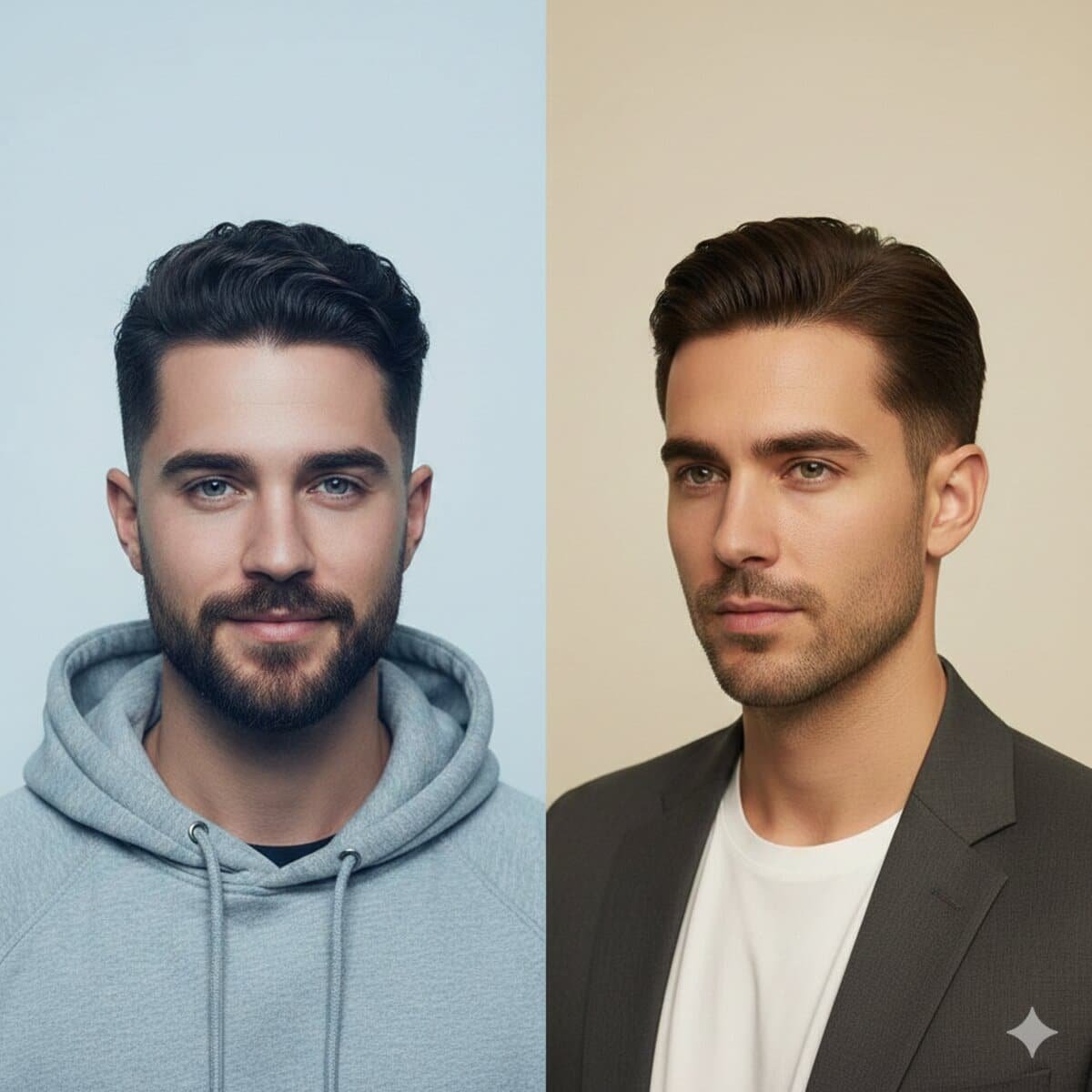
For a long time, the skin fade was the default. It was safe, it was clean, and it was everywhere. But lately, things have shifted toward the taper. If you aren’t familiar with the technical difference, think of a taper as a more sophisticated, gradual transition. Instead of taking the hair down to the skin all the way around the head, a taper usually only cleans up the sideburns and the neckline.
This leaves more weight around the temples. It’s a small detail, but it balances the face out so you don’t end up looking top-heavy. It’s a subtle change, but it’s one of those things you notice once you see it. It feels more “old-money” or “quiet luxury,” if you want to use the buzzwords of the day. It’s the kind of cut that looks just as good in a tailored suit as it does in a hoodie.
The Textured Crop: Still King, Just Messier
The textured crop has been around for a while, but it’s evolved. It’s stepped away from those blunt, straight-across fringes that made everyone look like they were heading to a Roman senate meeting. The 2026 version is much more jagged. Barbers are using more “point-cutting” and “slithering” techniques to remove bulk while adding a ton of internal movement.
The beauty of this style is how it handles the “second-day” look. You don’t want it to look like you just spent forty minutes with a blow dryer. In fact, a lot of guys are skipping the blow dryer entirely. A little bit of texture powder—which is arguably the most important product in your cabinet right now—and a quick ruffle of the hands is all it takes. It’s rugged, it’s intentional, and it doesn’t feel like you’re trying too hard.
Why the “Wolf Cut” Isn’t Going Away
You might have thought the mullet revival was a flash in the pan, a joke that went too far. But it’s morphed into something much more wearable: the Wolf Cut. This is essentially a hybrid of a shag and a mullet. It’s got a lot of layers, plenty of volume on top, and a bit of length in the back that hugs the neck.
It’s a bold choice, but it’s surprisingly versatile. If you’ve got some natural wave or curl, this cut is a godsend. It uses the weight of the hair to create a silhouette that frames the face. It’s edgy, sure, but it’s a controlled edge. It’s the kind of style that says you’re aware of trends but you aren’t a slave to them. We’re seeing a lot of this on the streets of London and New York, usually paired with more oversized, vintage-inspired clothing.
The “Ice” Buzz and the Return of Colour
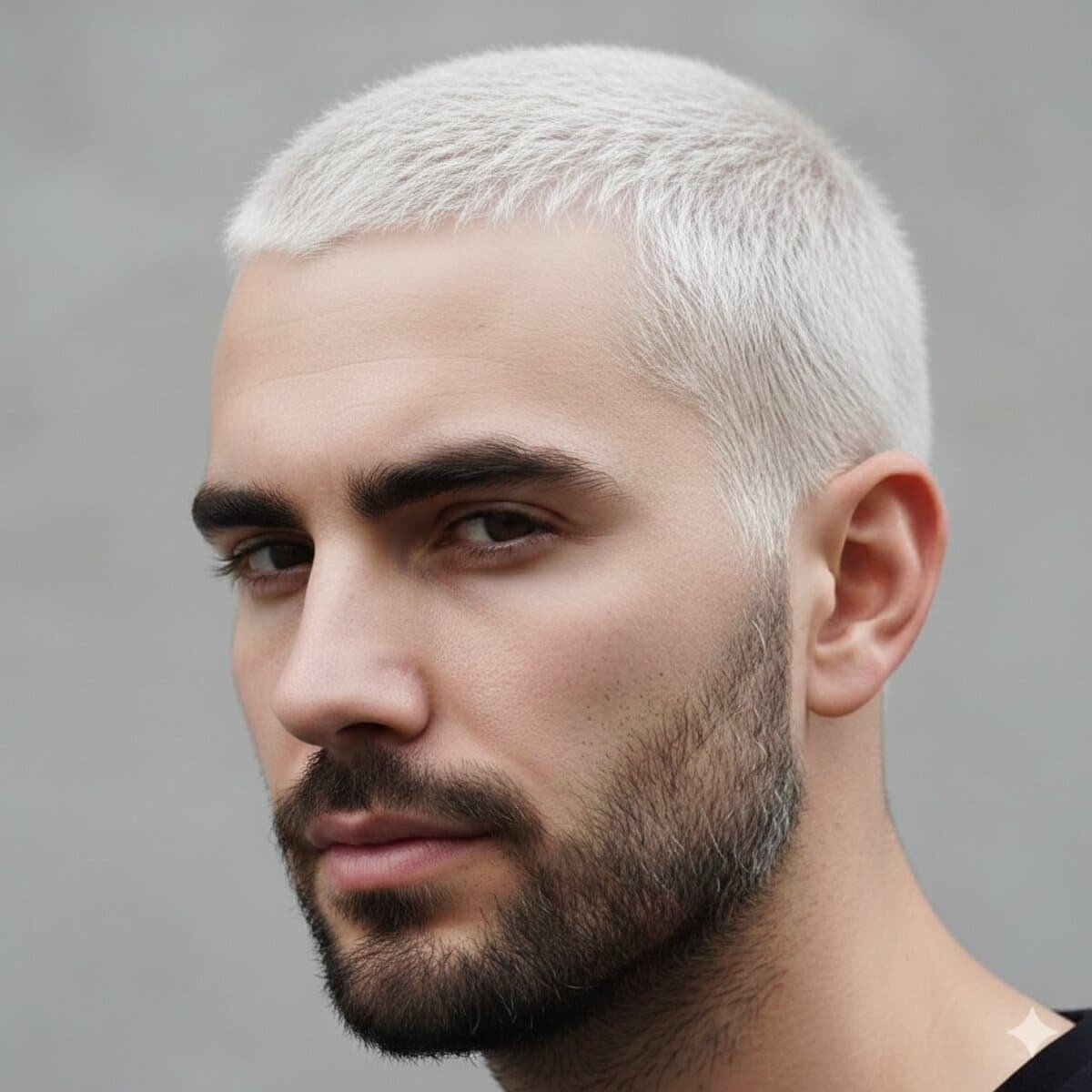
If you’re someone who prefers things as short as possible, the buzz cut is still a staple, but it’s gotten a bit more experimental. We’re seeing a lot of “high-definition” buzz cuts where the hair is dyed a singular, striking color—platinum blonde, silver-grey, or even pastel tones.
The trick here is the contrast. A very short, bleached buzz cut paired with naturally dark eyebrows or a well-groomed beard creates a look that is incredibly sharp. It’s a reset button. It’s perfect for guys who are tired of styling their hair or those who are starting to see a bit of thinning and want to own the look rather than hide it.
Middle Parts and the “Nineties Flow”
If you’ve got some length to work with, the middle part is still holding strong. It’s a direct response to the era of the “side-part-pomp” that dominated for so long. This is very much inspired by that 1990s skater aesthetic—think Keanu Reeves or a young Johnny Depp.
The key to making this look modern rather than dated is the “flow.” You don’t want the hair to just hang limp. You need a bit of volume at the roots and some texture through the ends. This is where a sea salt spray becomes your best friend. Spritz it on damp hair, give it a quick scrunch, and let it air dry. It gives you that “just came from the beach” grit without the actual sand. It’s effortless in a way that feels very current.
Matching the Style to Your Face Shape
One thing that often gets lost in the “top ten trends” lists is how a cut actually interacts with your face. A trend only works if it’s flattering. Here is how different shapes are being handled right now:
- Oval Faces: You’ve essentially won the genetic lottery. You can pull off the wolf cut, the buzz, or the crop. The only thing to watch out for is adding too much height on top, which can make your face look unnecessarily long.
- Square Faces: Think sharp jawlines. You want to soften the edges. A textured crop with some volume or a soft taper works wonders here. Avoid anything too boxy or rigid.
- Round Faces: You want to create the illusion of angles. A high-volume style like a modern quiff or a textured top with very short sides helps elongate the face and provides some much-needed structure.
- Heart/Diamond Faces: You usually have a narrower chin. Mid-length styles, like the “flow” or a longer taper, help add some width around the bottom of the face, balancing things out.
The Shift Toward Scalp Health
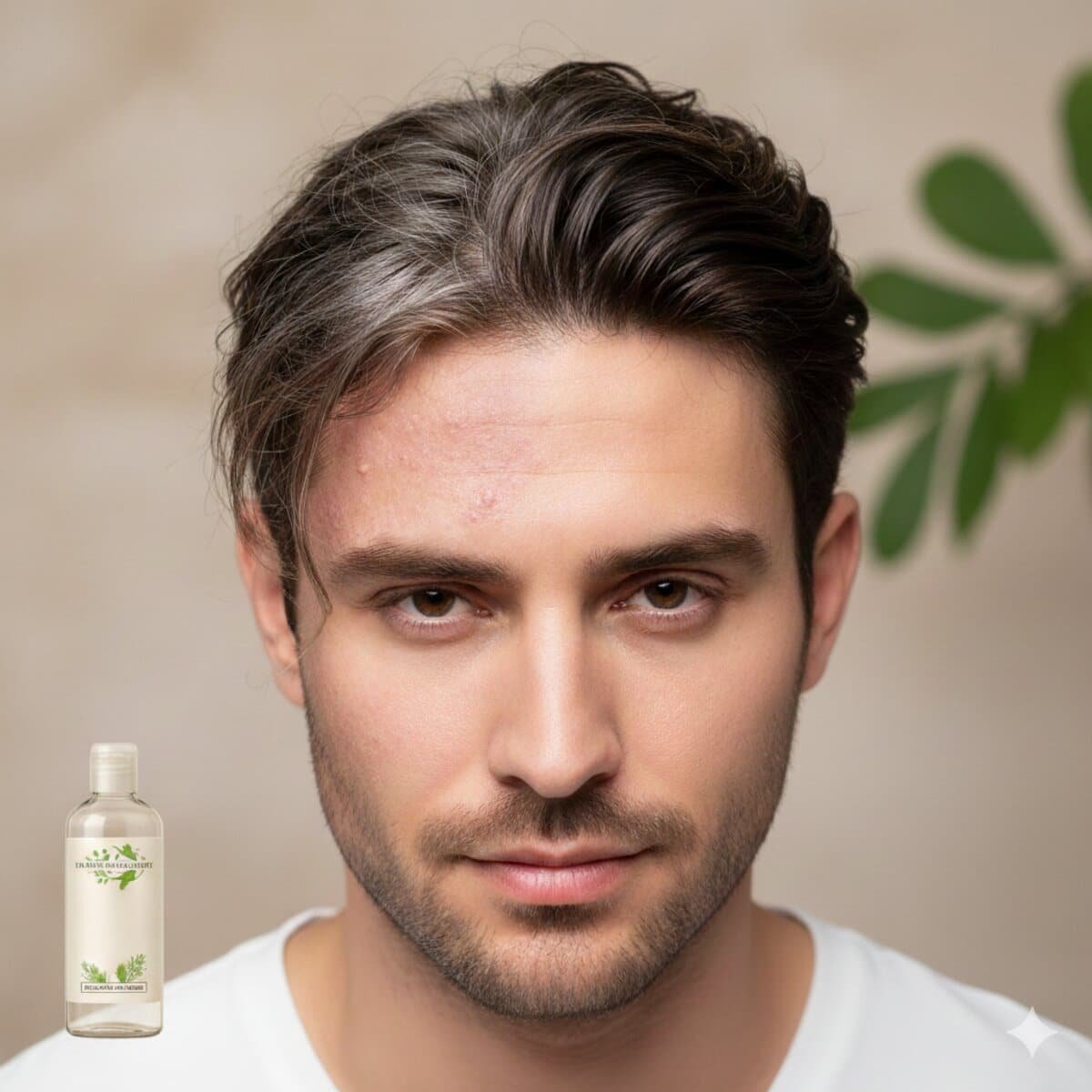
We’re seeing a huge move away from the “strip it all away” philosophy of hair care. For years, we used harsh shampoos that took every natural oil out of our hair, only to try and put it back in with synthetic products. Now, it’s all about the scalp.
Healthy hair starts at the root, literally. Scalp serums, exfoliating treatments, and caffeine-infused shampoos are becoming standard. People are finally realizing that if you want your hair to look good at two inches long, you’ve got to take care of the skin it’s actually growing out of. It’s a more holistic approach to grooming. It’s not just about how you look today; it’s about making sure you still have hair to style ten years from now.
Choosing the Right Product for 2026
If your bathroom counter looks like a chemistry lab, you might be overcomplicating things. Most of the styles we’re seeing right now can be achieved with just one or two high-quality products.
- Texture Powder: This is the MVP. It adds volume and “grip” without any weight or shine. It’s perfect for the crop or the buzz.
- Sea Salt Spray: Essential for anyone with hair longer than three inches. It provides a natural, matte finish and helps define waves.
- Matte Paste or Clay: If you need some actual hold to keep your fringe out of your eyes, a matte paste is the way to go. It stays flexible, so you can still run your fingers through your hair without it feeling “crunchy.”
- Lightweight Oils: For guys with curls or thicker hair, a tiny drop of argan or jojoba oil can kill the frizz without making the hair look greasy.
The Psychology of Your Haircut
Why are we moving toward these messier, more natural looks? It’s probably a bit of a rebellion against the digital world. We spend so much time looking at filtered, perfect images on screens that there’s a growing desire for something that feels “real.” A haircut that moves when you walk, that looks a bit different every day, feels more authentic.
It’s also a reflection of our more flexible lifestyles. With more people working in hybrid environments, the need for a “suit-and-tie” haircut has diminished. We want styles that can transition from a video call to a gym session to a night out without needing a total overhaul.
Frequently Asked Questions
How do I tell my barber I want a taper instead of a fade?
Just be specific about the “starting point.” A fade usually starts at the skin high up on the sides. Tell your barber you want to keep the “bulk” around your temples and only want the very edges—your sideburns and your nape—tapered down. Bringing a photo of a “low taper” is always your best bet.
What if my hair is starting to thin on top?
The textured crop is actually your best friend here. By adding texture and layers, you break up the “flat” look of thinning hair, making it appear denser. Avoid long, heavy styles that pull the hair down and expose the scalp.
Are perms still a thing for guys?
They are, but they’ve become much more subtle. We call them “texture treatments” now. They aren’t about getting tight, 80s-style curls; they’re about adding a bit of wave to straight hair so it’s easier to style into a “flow” or a “broccoli” look.
Is it okay to wash my hair every day?
Probably not. Most experts now suggest washing 2-3 times a week to keep your natural oils intact. If your hair feels greasy in between, try a dry shampoo or just a thorough rinse with warm water.
How do I stop my hair from looking “poofy” after I blow dry it?
Switch to the “cool” setting on your dryer for the last 30 seconds. It helps seal the cuticle and reduces frizz. Better yet, let it air dry about 70% of the way before you touch it with any heat.
Wrapping Up
At the end of the day, a haircut is a deeply personal thing. You can follow the trends to the letter, but if it doesn’t make you feel like the best version of yourself, it’s not the right cut. The “2026 look” is really just an invitation to be a bit more relaxed and a bit more experimental. Don’t be afraid to let it grow out an extra inch or to try a product you’ve never used before.
The worst-case scenario? It grows back. But the best-case scenario is finding a style that finally feels like you.
What’s your current go-to style? Are you someone who sticks to the classic taper, or are you thinking about trying out some more length this year? We’d love to hear your thoughts and see what’s working for you. Drop a comment below and let’s get the conversation started. And if you want to stay updated on the latest in grooming and lifestyle, make sure to follow us on Facebook and Instagram!
Sources:
- www.lockhartsauthentic.com/blogs/news/2026-men-s-hair-trend-predictions-the-top-hairstyles-you-ll-see-everywhere-this-year
- www.peteandpedro.com/blogs/the-pedro-post/the-top-10-mens-hairstyles-for-2026
- www.cbc.ca/life/style/beauty-trends-mens-fashion-week-fall-2026-9.7058045
- www.barberian.com/blogs/news/top-10-mens-hairstyles-for-2026
All Images are AI generated